
What Is The History of Rose Gold?
There’s something just romantic about rose gold jewelry. Its warm, blush-pink hue has captured the hearts of jewelry lovers for generations.
Here at Samuelson’s, we’ve seen not just an enduring interest in this style, but a resurgence in its popularity in recent years. Rose gold seems to be popping up everywhere – from engagement rings to vintage estate pieces.
But what exactly is rose gold? Where did it come from? And what makes it such a popular choice for jewelry?
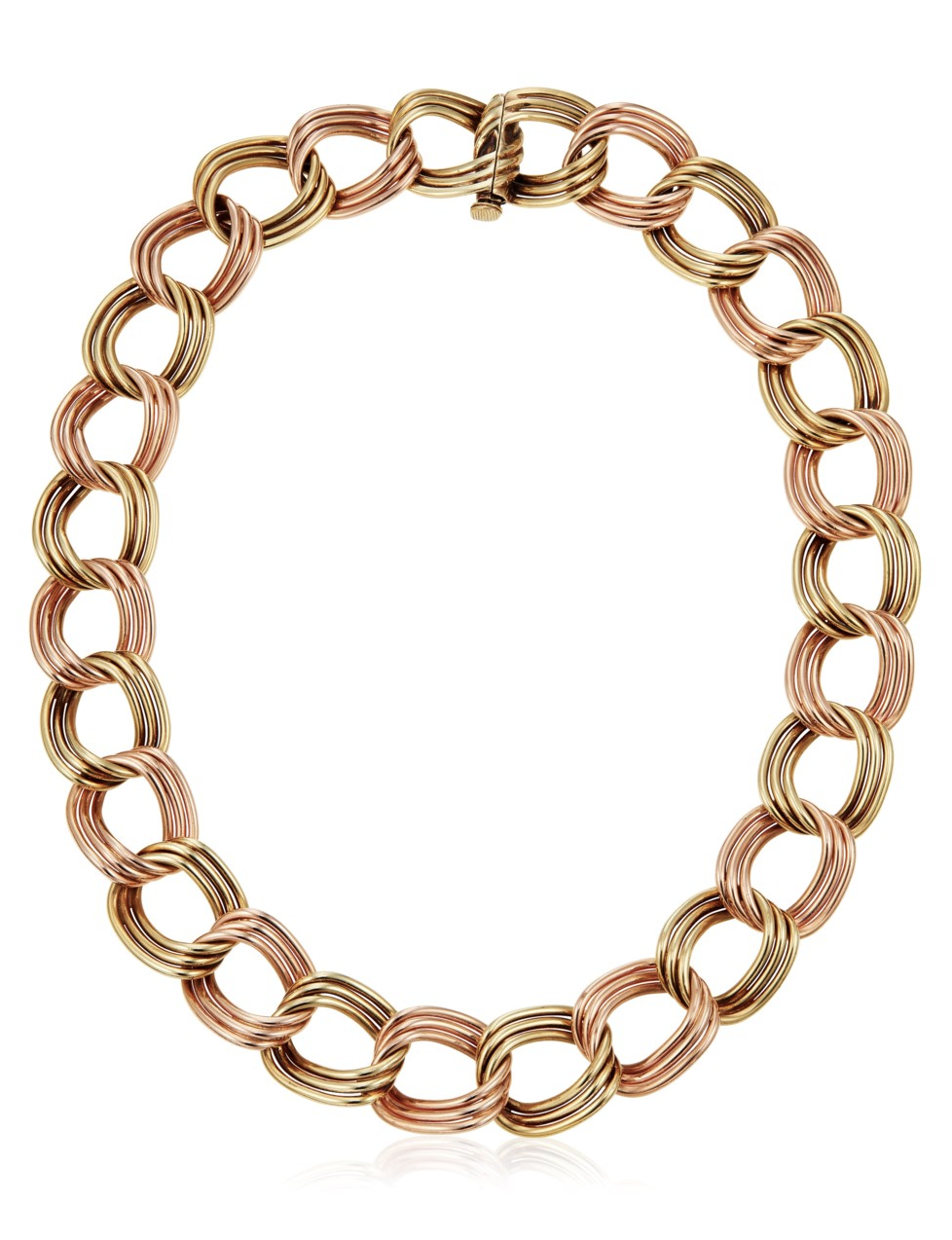
What Is Rose Gold?
Unlike pure gold (which typically has a naturally yellow color) or white gold (a yellow gold mixed with white metal), rose gold gets its color from copper. That’s because it’s technically an alloy – a mixture of metals – and is usually composed of:
- Gold (usually 75% in 18K rose gold)
- Copper (the element responsible for the rosy hue)
- Often a small amount of silver
The more copper in the mix, the deeper and more “reddish” the rose gold color will appear. This is why you’ll sometimes see variations called “pink gold” or “red gold” – these simply contain different proportions of copper in the alloy.
What is the History of Rose Gold Jewelry?
Origins: 19th Century Russia
The history of rose gold as we know it today begins in 19th-century Russia.
Carl Fabergé, the legendary jeweler to the Russian Imperial family, popularized a rose gold alloy he called “Russian gold” in his intricate creations, including the famous Fabergé eggs. The connection to Russian imperial jewelry has earned rose gold the nickname “Russian gold”.

Rise to Prominence in the 1920s
While rose gold has Russian roots, it really blossomed during the Art Deco period of the 1920s. Rose gold jewelry became highly fashionable as designers embraced the warm, feminine tones to contrast the white metals that dominated the market..
Mid-Century Popularity
The material experienced another surge during the 1940s. With platinum reserved for the military during World War II, jewelers turned to gold alloys, including rose gold, for engagement rings and wedding bands – many of which are still highly prized today.
Contemporary Renaissance
After falling somewhat out of favor during the yellow gold boom of the 1980s and the white gold/platinum dominance of the 1990s and early 2000s, rose gold has made a remarkable comeback.
Around 2010, rose gold colored jewelry began reappearing in designer collections, spreading to mainstream jewelry and even influencing broader fashion and design trends.
Why Has Rose Gold Jewelry Stayed Popular?
Flattering Warmth
Rose gold has a unique ability to flatter virtually all skin tones. Its warm undertones provide a soft glow that complements both fair and deep complexions, making rose gold jewelry particularly versatile.
Vintage Charm
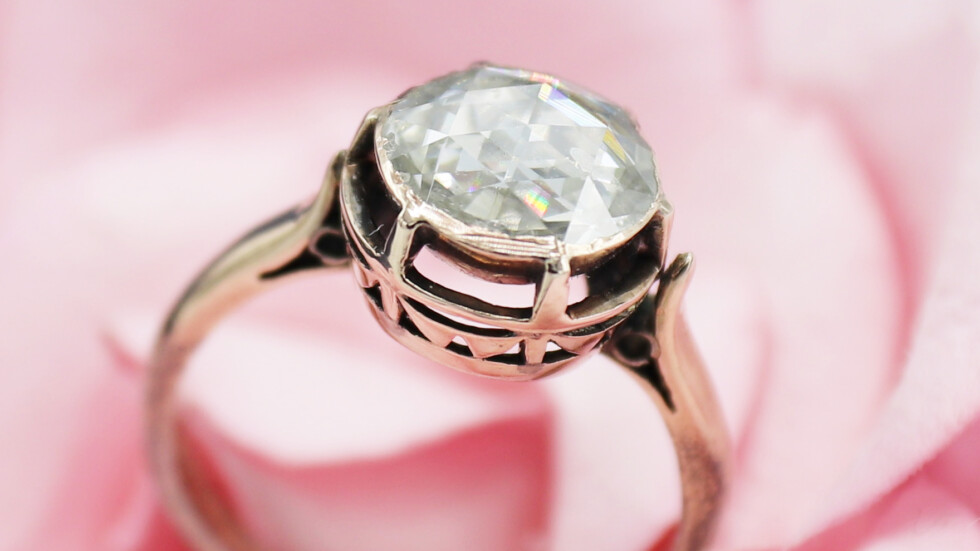
While rose gold carries nostalgic associations with vintage periods like Art Deco and the 1940s, it also feels modern. This dual nature makes it perfect for both antique-inspired designs and contemporary minimalist pieces.
Symbolic Significance
The romantic color of rose gold has made it particularly popular for engagement rings and wedding bands. Many couples love the symbolism of the blush color that leans into the emotions of love and romance more than traditional yellow or white gold.
Durability Advantage
Rose gold fashion jewelry isn’t just beautiful – it’s also practical! The copper content that leads to the rose gold color also makes it more durable than pure gold or many white gold alloys.
This means your rose gold jewelry will often show less wear over time, keeping its beauty for generations.

Rose Gold Jewelry Care and Considerations
Stay On Top Of Your Maintenance
Rose gold requires less maintenance than white gold, which doesn’t need periodic replating. The patina that develops on rose gold over time can deepen the rosy hue (and its unique look).
Consider Complementary Gemstones
Rose gold also pairs beautifully with a range of other gemstones. Some of the most classic combinations include:
- Morganite (whose peachy-pink color creates a harmonious monochromatic look)
- Diamonds (for timeless elegance)
- Sapphires (particularly in blue for a striking contrast)
- Emeralds (for a lush, romantic combination)
Experiment with Mixing Metals
Don’t be afraid to mix rose gold with other metals in your jewelry collection. The contemporary approach to jewelry embraces mixing metals – giving you a unique and personalized look.
Find Your Perfect Rose Gold Piece at Samuelson’s
Whether you’re drawn to the romantic history of rose gold, its warm, flattering color, or its modern versatility, Samuelson’s Diamonds offers an exceptional selection of rose gold jewelry for every taste and occasion.
Our team is here to help you understand the value of any rose gold pieces you’re considering. We can also provide an expert appraisal of rose gold jewelry in your collection.
Schedule a private consultation at our Baltimore, Chevy Chase, or Northern Virginia today!