Have you ever found yourself looking at a piece of vintage jewelry and asked yourself, “What stories could this little gemstone tell?”
You may not realize it, but almost every piece of jewelry has a special spot in the annals of history – from delicate Georgian metalwork to bold Art Deco geometrics. If you could turn back the hands of time to the moment each piece was made, you might be amazed at each one’s unique history.
As Baltimore’s trusted jewelry experts since 1922, we’ve had the privilege of handling pieces from every major jewelry period – and we absolutely love learning more about each one’s history. Let’s take a walk down memory lane and see how jewelry has evolved over its “Eras Tour”!
Wait – Why Does Jewelry History Matter?
If you want to learn more about the unique pieces you own (or may someday inherit), it’s helpful to know that jewelry eras are more than just historical timestamps. When you can identify a piece’s era, you get a deeper understanding of:
- Its historical context and the cultural influences that shaped its design
- The innovative techniques and technological advances of its time
- Its true value in today’s market
- The ability to spot authentic pieces versus modern reproductions

At Samuelson’s, we’ve seen how understanding these eras can transform a simple family heirloom into a precious historical artifact. What might look like a simple Victorian brooch could actually tell the story of mourning customs in the 1860s, or what seems like a basic Art Deco ring might represent the first use of platinum in jewelry making.
The Major Jewelry Eras
The Georgian Era: The Birth of Romantic Design (1714-1837)
If you’ve ever held an authentic piece of Georgian jewelry, you know there’s something magical about it. This era marked the beginning of “antique jewelry.”
During this time, jewelers worked entirely by hand, creating pieces that would become increasingly rare and precious over the centuries.
The visual language of Georgian jewelry speaks through its distinctive characteristics. Perhaps most striking is the attention to detail in every element:
- Exquisitely hand-crafted metalwork with nature-inspired motifs
- Closed-back settings with foil backing to enhance stone brilliance
- Large, ornate pieces that showcased wealth and status
- Common themes included flowers, leaves, birds, and celestial designs
The materials and techniques used during this period were just as fascinating as the designs. Jewelers worked with what was available, often creating innovative solutions to achieve their artistic visions.

Victorian Era (1837-1901)
The Victorian era is one of jewelry’s most emotionally rich periods. Named (naturally) after Queen Victoria, this era mirrored the queen’s own life. You may be surprised to learn that the period is actually three periods in itself – each with its own story
The Romantic Period (1837-1861)
This period shows the joy of young love and Victoria’s early reign. The jewelry from this time reflects the happiness of the era:
- Light, delicate designs inspired by nature
- Colorful gemstones and vibrant enameling
- Motifs included intertwined hearts, flowers, and love birds
- Serpent jewelry became popular after Victoria’s engagement ring choice
The Grand Period (1861-1885)
Following Prince Albert’s death in 1861, the Grand Period (1861-1885) ushered in a dramatic shift. Jewelry became a powerful medium for expressing grief and remembrance:
- Darker, more somber designs reflect widespread mourning
- Heavy use of black onyx, jet, and dark garnets
- Mourning jewelry featured hairwork and memorial inscriptions
- Introduction of more intricate goldwork techniques
The Aesthetic Period (1885-1901)
As Victoria slowly emerged from mourning, so did jewelry design – with lighter themes emerging once again to the jewelry scene:
- Return to lighter, more whimsical motifs
- Strong Japanese and Eastern influences
- Stars, crescents, and early geometric patterns
- Rise of the diamond solitaire as the engagement ring of choice
Edwardian Era (1901-1915)
The Edwardian era can be thought of with one idea: technological advancement. The introduction of the oxyacetylene torch allowed jewelers to work with platinum for the first time – which led to an obsession with creating incredibly delicate, lace-like designs.
This period, also known as La Belle Époque, transformed what was possible in jewelry design. Craftsmen could now create pieces that appeared to float on the wearer:
- Intricate filigree work in platinum and white gold
- Delicate garland and bow motifs
- “Knife-edge” settings that appeared impossibly thin
- Milgrain detailing (tiny beaded edges) became standard
The gemstone choices of this era reflected a new preference for lightness and brilliance. The “white on white” look became the height of sophistication. Diamonds were the predominant stone choice, while pearls were a close second.
Art Nouveau (1890-1910)
Overlapping with the late Victorian and early Edwardian periods, Art Nouveau broke all the rules. This jewelry era rejected the industrialized precision of the machine age, instead turning to more organic forms you might find in nature. Designers wanted each piece to be a miniature work of art rather than just an accessory.
A unique element of Art Nouveau jewelry was the use of unique materials. Jewelers of this period valued artistic expression over intrinsic material worth:
- Plique-à-jour enamel (creating stained-glass effects)
- Horn, ivory, and glass were used alongside precious materials
- Unusual gems like moonstone and opal gained popularity
- Mixed metals, often combining gold with silver
Art Deco (1920-1935)
The yin-yang of design and art are always in flux, and Art Deco was the modern response to Art Nouveau’s rebellious spirit. Starting in the “Roaring Twenties,” this jewelry era went back to the intricate designs of the machine age with geometric patterns and clean lines.
The geometric patterns of Art Deco created an entirely new jewelry vocabulary – leaning into the efficient, modern vibe emerging in industrial growth across the globe. You might see strong, horizontal lines and repeating geometric patterns – often inspired by the skyscrapers and contrasting colors of the time.
Retro Era (1935-1950)
World War II dramatically impacted jewelry design. But don’t think that hard times create hard jewelry! With the use of platinum restricted for military use, jewelers started to look for other materials to create a bit of joy in dark times.
Many designers turned to gold – with impressive results! Combined with the glamour of Hollywood, the Retro Era of jewelry saw a move toward:
- Large, dimensional pieces with sweeping curves
- Oversized bows and flowers
- Patriotic motifs and military influences
- Gas pipe snake chains and thick link bracelets
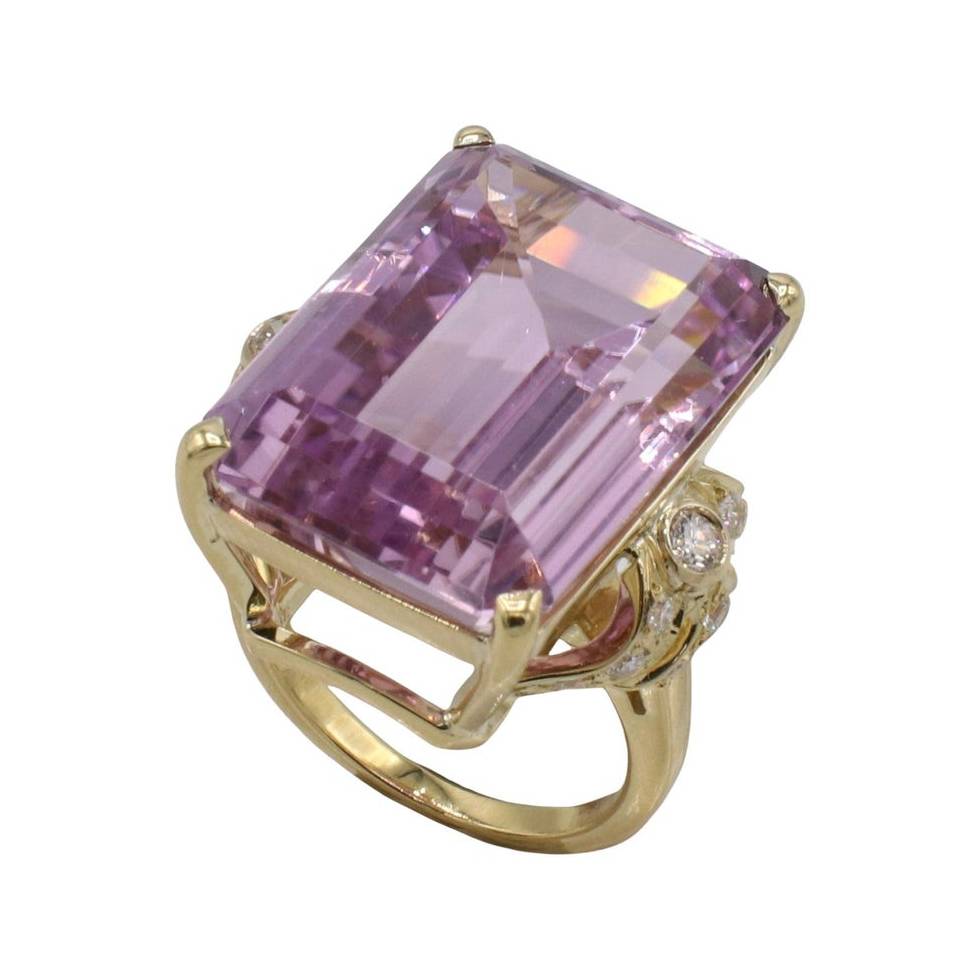
Materials and techniques adapted to wartime restrictions while maintaining luxury – such as rose and yellow gold, synthetic rubies, and mixed metals. This would set the stage for a growth in accessible jewelry made of non-organic materials.
The Modern Era (1950-Present)
We now live in what we could call the “modern era” of jewelry – where the culmination of history’s techniques and methods have created what we now see in jewelry shops across the globe.
While there’s always a push to grow, many designers have pushed toward more contemporary themes as well:
- Clean lines mixed with vintage inspiration
- Emphasis on personalization and meaning
- Sustainable and ethical sourcing
- Mixing of high and low materials

How Do You Identify Your Jewelry’s Era?
At Samuelson’s, we’re often asked how to determine a piece’s age. While professional evaluation is always recommended, there are a few key indicators to look for that you’ll want to look for – both in how the piece was constructed and the clasps and findings:
Construction Methods:
- Georgian: All handmade, often with visible tool marks
- Victorian: Introduction of machine-made components
- Edwardian: Platinum work and delicate construction
- Art Deco: Precise geometric patterns and calibrated stones
Clasps and Findings:
- C-catches indicate pre-1900 pieces
- Safety clasps emerged in the early 1900s
- Screw backs on earrings suggest 1920s or later
Whether you’re a collector, inheritor, or just an admirer of fine jewelry, knowing the jewelry eras can help you appreciate fine jewelry that much more!
At Samuelson’s, we’ve spent over a century helping clients discover the history behind their treasured pieces – and we’re here to help you as well! Ready to explore the fascinating world of period jewelry?
Visit our Baltimore, Chevy Chase, or Northern Virginia locations for a private consultation. Our expert team can help you identify, value, or find the perfect piece from your favorite era.