Have you ever browsed through a fine jewelry collection and come across terms such as “estate jewelry,” “antique jewelry,” and “vintage jewelry?” You may have heard the terms used interchangeably, but there’s actually more to the definitions than just a time or value!
As Baltimore’s trusted jewelry experts since 1922, our team has evaluated pieces across all three categories – and we often talk to customers who are concerned that what they thought was a family heirloom isn’t exactly what they thought it was!
To help you get an idea of the differences between estate, antique, and vintage jewelry, read on to learn what each brings to the table.
What Is Estate Jewelry?
Simply put, estate jewelry refers to previously owned jewelry. This is true regardless of its age or style period. The term “estate” might evoke images of elaborate mansions and inheritance, but in jewelry terms, it just means that you aren’t the first owner!
Many people wonder, “What is considered estate jewelry?” In short, it’s any piece that has had a previous owner. But don’t fear, this doesn’t mean that the value has been lost. In fact, some estate jewelry can go up in price dramatically based on the type, condition, and other factors.
The most important characteristic of estate jewelry is that it’s pre-owned, not necessarily old. That contemporary diamond ring purchased five years ago? If it’s being resold, it’s technically estate jewelry.
What Is Antique Jewelry?
You may have inherited a piece of estate jewelry that has been passed down through generations, but does that mean it qualifies as “antique jewelry?”
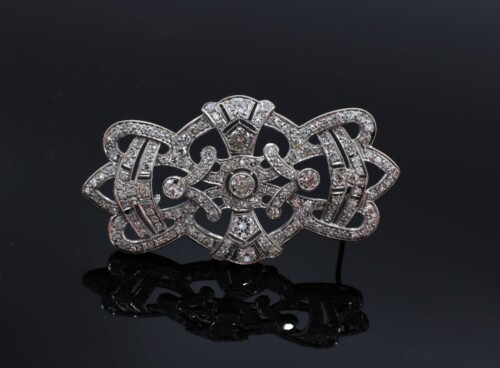
It depends! Antique jewelry has a more specific definition. A piece must be at least 100 years old to be considered genuinely antique. This age requirement means that antique jewelry carries not just monetary value but also historical significance.
The difference between estate and antique jewelry isn’t just the age of the piece. While all antique jewelry is estate jewelry (since it’s pre-owned), not all estate jewelry is antique. The 100-year threshold serves as a clear dividing line for collectors and appraisers.
What styles would generally pop up in “antique jewelry” collections? You’ll usually find antique jewelry often has craftsmanship techniques rarely used today, such as:
- Georgian (1714-1837)
- Victorian (1837-1901)
- Art Nouveau (1890-1910)
- Edwardian (1901-1915)
What Is Vintage Jewelry?
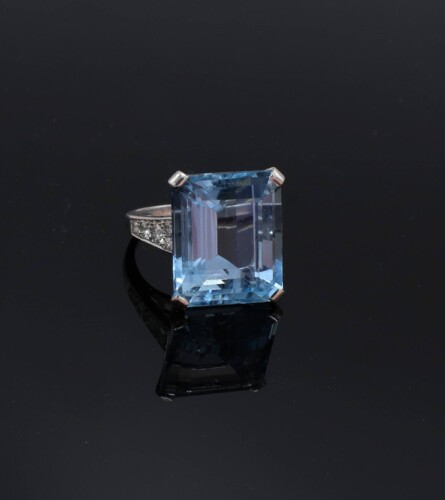
Falling somewhere between contemporary and antique pieces, vintage jewelry typically refers to items that are at least 20-30 years old but less than 100 years old.
The most important thing to know about vintage jewelry is that the category captures significant design periods of the 20th century.
But what is considered vintage jewelry? You’ll have to determine the significance of the piece’s age and style. For instance, vintage pieces often represent influential design eras like:
- Art Deco (1920s-1930s)
- Retro (1940s)
- Mid-Century Modern (1950s-1960s)
- Disco Era (1970s)
When considering the worth of vintage jewelry, you’ll want to consider factors beyond age, such as the designer, materials, condition, and rarity.
Estate, Antique, and Vintage Jewelry At A Glance
| Estate Jewelry | Antique Jewelry | Vintage Jewelry | |
| Definition | Previously owned jewelry, regardless of age | Jewelry that is 100+ years old | Jewelry that is 20-100 years old |
| Time Period | Any age, simply pre-owned | Created before 1925 | Created between 1925-2005 |
| Value Factors | ConditionOriginal packagingBrand/designerProvenance | RarityHistorical significance CraftsmanshipOriginal condition | Design era popularityDesigner recognitionConditionUniqueness |
| Notable Characteristics | May include antique or vintage piecesOften comes from estates/inheritancesCondition varies widely | Hand-crafted details Old-world techniques Historical significance Often one-of-a-kind | Reflects specific design eraOften machine-made More accessible price pointsTrending styles from past decades |
| Popular Periods | All periods | Georgian (1714-1837) Victorian (1837-1901) Art Nouveau (1890-1910) Edwardian (1901-1915) | Art Deco (1920s-1930s)Retro (1940s-1950s)Mid-Century (1950s-1960s)Modernist (1960s-1970s) |
| Investment Potential | Varies greatly; depends on other categories | Typically highest; appreciates over time | Moderate to high; depends on era and designer |
| Maintenance Needs | Varies by age and materials | Delicate handling requiredProfessional cleaning recommendedMay need restoration | Generally sturdier than antiqueRegular cleaningMay need minor repairs |
| Common Materials | All materials | GoldSilverPlatinumNatural gemstones | GoldSilverPlatinumBoth natural and synthetic gems |
Why Choose Estate, Vintage, or Antique Jewelry?
All three options offer unique styles, values, and long-term appraisal potential. But for many of our customers, we find that the type of jewelry comes down to personal preference and emotional connection.
As we work with clients, we often encourage them to consider these elements of each type:
- Unique Character: Each piece tells a story and carries historical significance – so what does your piece have to say?
- Craftsmanship: Many older pieces showcase techniques and attention to detail rarely found in mass-produced modern jewelry.
- Sustainability: Choosing pre-owned jewelry is an environmentally conscious decision and can give new life to older pieces.
- Investment Potential: Well-chosen pieces can appreciate in value over time – worth the investment!

Find Your Perfect Piece at Samuelson’s
At Samuelson’s Diamonds, our collection includes exceptional estate, vintage, and antique jewelry pieces carefully evaluated by our expert team.
Whether you’re searching for a unique engagement ring with history or looking to sell a treasured family heirloom, our private, appointment-only consultations ensure you receive personalized attention and fair value.
Ready to explore the world of estate, antique, and vintage jewelry? Schedule a private consultation at our Baltimore, Chevy Chase, or Northern Virginia locations today.