What to Know About Selling Gold-Filled vs. Gold-Plated Jewelry
Not all that glitters is solid gold… but that doesn’t mean it’s worthless!
Here at Samuelson’s Diamonds, we often work with clients to help them evaluate all types of gold jewelry. During our private consultations, one of the most common questions we get is around the value of gold-filled versus gold-plated pieces.
Knowing the difference can mean the difference between realistic expectations and disappointment when selling your jewelry. So which is which – and what do you need to know about selling your valuable gold jewelry?
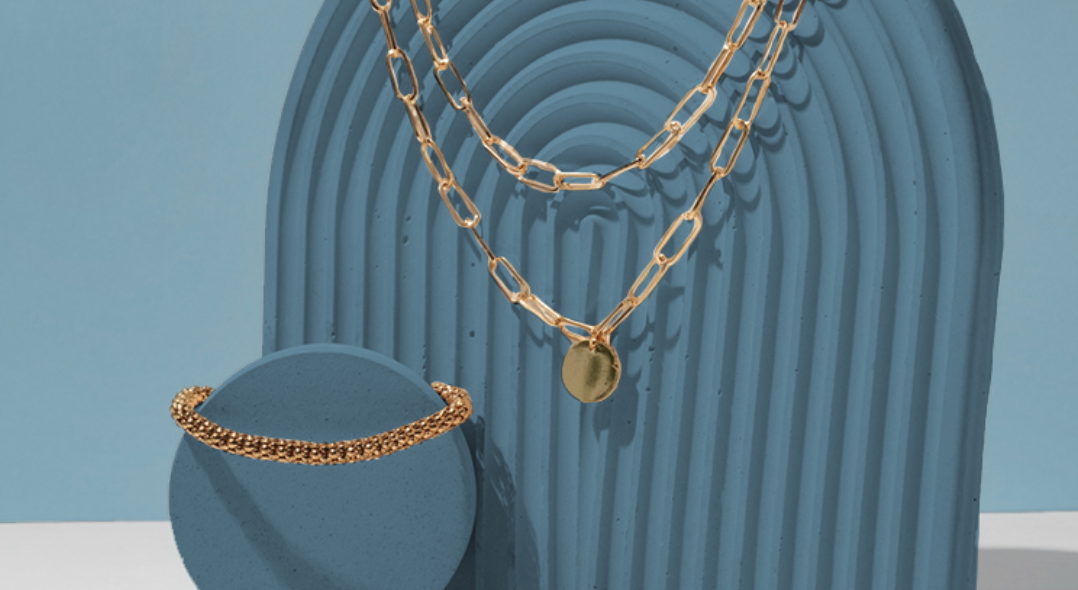
What Does Gold-Filled Mean?
Gold-filled jewelry is a significant step up from gold plating. By law, gold-filled items must contain at least 1/20th (5%) of their total weight in solid gold.
This is more than a surface treatment. It actually represents a thick layer of gold that is mechanically bonded to a base metal core, typically brass or copper.
The manufacturing process involves heat and pressure to create a permanent bond between the gold layer and base metal. This means that gold-filled jewelry can often last decades with proper care, and may keep its golden appearance far longer than plated alternatives.
How can you know if a piece is gold-filled? Look for markings like “14K GF” or “1/20 14K GF” – which indicate both the gold content and that it’s gold-filled.
What is Gold-Plated Jewelry?
Gold-plated jewelry uses an electroplating process to deposit a thin layer of gold onto a base metal surface. This process can help create an attractive golden finish, but the gold layer is typically just 0.05% or less of the item’s total weight (much thinner than gold-filled pieces).
Gold plating thickness is measured in microns, and most fashion jewelry features layers between 0.5 to 2.5 microns.
For perspective, a human hair is about 75 microns thick, so these gold layers are incredibly thin! This is often why gold-plated jewelry shows wear relatively quickly, especially on high-contact areas like ring bands.
You can tell if a piece is gold-plated by looking for common markings, such as “GP” (gold-plated), “GEP” (gold electroplated), or “HGE” (heavy gold electroplate).
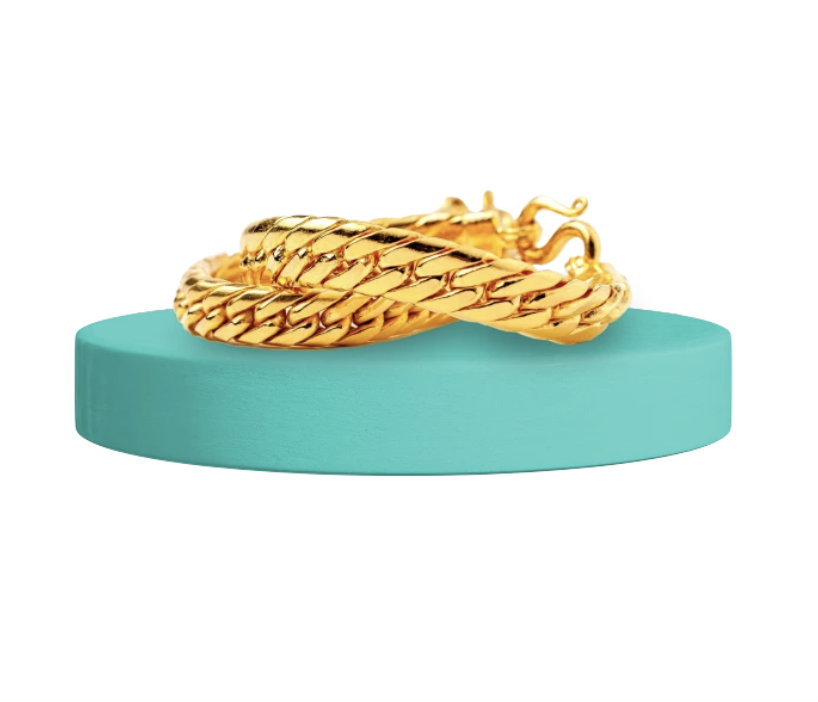
What are the Differences Between Gold-Filled vs. Gold-Plated Jewelry?
Gold Content and Value
As we covered above, the most significant difference is the actual gold content in a piece.
A 10-gram gold-filled bracelet contains at least 0.5 grams of solid gold, while a gold-plated piece of the same weight might contain just 0.005 grams – that’s a 100-fold difference!
Durability and Longevity
You’ll often find that gold-filled jewelry maintains its appearance for 10-30 years with reasonable care.
Why? Because the thick gold layer can resist wearing through to the base metal (though high-wear areas may eventually show signs of use).
Gold-plated items, however, often begin showing wear within months to a few years, depending on how often they’re worn and where one wears the piece.
Tarnishing Characteristics
Does gold-filled jewelry tarnish? While the gold layer itself typically doesn’t tarnish, exposed base metal areas can.
But note: because the gold layer is so thick, it typically takes many years for the piece to start to show signs of wear.
Gold-plated jewelry tarnishes more quickly as the thin plating wears away, which can expose the reactive base metals beneath.
Selling Your Gold Jewelry – What to Expect
When clients bring gold-filled and gold-plated jewelry to our Baltimore showroom, we work with them to get an idea of what type of jewelry they have – and set realistic expectations from the start.
Here are some of the aspects we cover in our valuations:
Gold-Filled Jewelry:
- Contains recoverable gold worth calculating
- Vintage pieces may have additional collectible value
- Designer brands can command premiums
- Bulk quantities become more attractive to buyers
Gold-Plated Jewelry:
- Minimal gold content means primarily decorative value
- Designer names (like Trifari or Monet) matter more than gold content
- Vintage costume jewelry market may offer better returns
- Usually needs large volumes to interest precious metal buyers
But remember – these are just general guidelines. Each piece of jewelry is unique and may have different factors that affect its value. That’s why it’s always best to consult with a professional appraiser or jeweler for an accurate valuation!
Get Your Gold Expertly Evaluated at Samuelson’s
Whether your jewelry box contains gold-filled treasures or gold-plated pieces, knowing their true value and worth can help you make the best decisions.
If you want to learn more, visit us at our showroom! Our certified evaluators use professional testing methods to identify the exact compositions of your gold – and we can provide fair market valuations based on current precious metal prices and collectible demand.
During your private appointment, we’ll examine each piece individually and provide no-obligation offers based on actual market values.
Ready to discover your jewelry’s value? Schedule a private consultation at our Baltimore, Chevy Chase, or Northern Virginia locations. Our century of experience means accurate evaluations you can trust.