
Why Diamond Certification Matters: GIA vs AGS Explained
When you’re investing thousands or more in an engagement ring, there is a single document that protects your purchase more than any other: the diamond certification.
We’ve helped numerous clients find the perfect diamond, yet many still underestimate the importance of this certification, opting to focus on the look without understanding what guarantees its quality and value.
After over a century in the jewelry business, we can tell you: certification isn’t optional paperwork – especially for such an important investment. Getting a diamond certified can create essential protection for one of life’s most significant purchases.
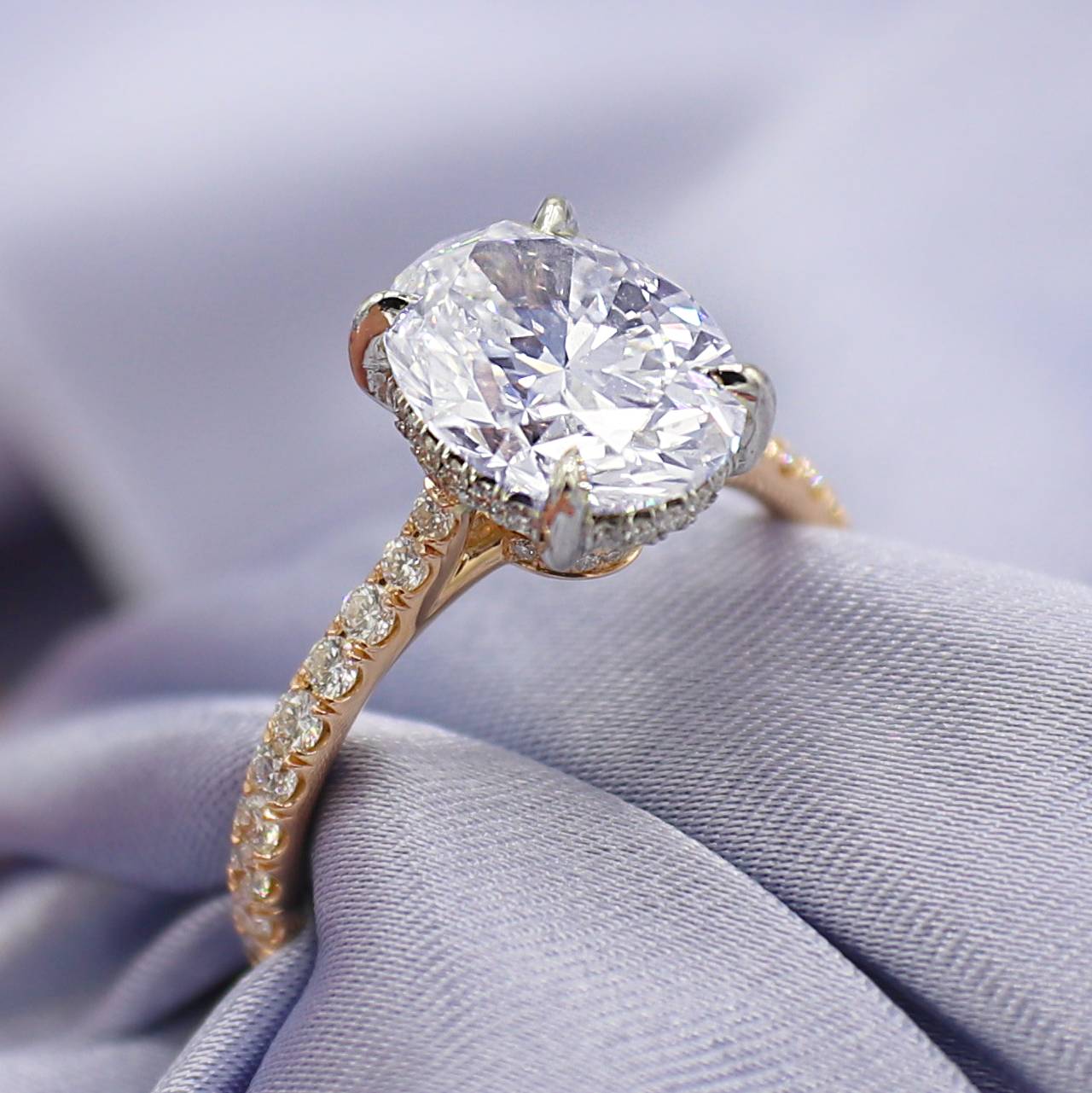
What Is Diamond Certification?
A diamond certification – also called a grading report or diamond dossier- is an independent laboratory assessment that documents a diamond’s characteristics according to the 4Cs: cut, color, clarity, and carat weight.
We like to think of it as a diamond’s “passport.” The certification serves as an objective identity document. It’s typically issued by expert gemologists, using advanced equipment and standardized grading protocols.
It’s important to note that diamond grading certification differs from appraisal. Certification assesses quality characteristics; appraisal assigns monetary value. You need certification to know what you’re buying; you need an appraisal to know what it’s worth for insurance purposes.
Why Is Diamond Certification Important?
There are plenty of reasons why you should invest in proper diamond certification – the least of which is to ensure what you’re purchasing is legitimate and worth the investment:
Verification of Quality
Without certification, you’re trusting the seller’s word about diamond quality. Here at Samuelson’s, we live by our mission to be a trusted advisor – which is why we always insist on buying and selling certified diamonds.
Certified vs uncertified diamonds reveal significant differences, and the certification provides objective, third-party verification that removes conflicts of interest.
Fair Pricing
Certification is the best way to ensure you make accurate comparisons between diamonds.
Two stones may look similar, but GIA diamond certification might reveal one grades G color while another grades J – and that difference could be worth thousands of dollars.
Insurance Coverage & Resale Value
Most insurance companies require certification to write policies on valuable jewelry. Without it, obtaining full coverage becomes difficult or impossible.
Plus, if you eventually sell or upgrade, certification dramatically improves liquidity. Buyers trust certified diamonds; uncertified stones raise suspicion regardless of actual quality.
Peace of Mind
Here’s perhaps the most important reason to seek certification – you’ll know exactly what you purchased. When your investment is verified by world-class gemologists, you gain confidence that lasts a lifetime.

GIA and AGS Certification
There are actually two laboratories that dominate diamond certification in terms of credibility and consistency: the Gemological Institute of America (GIA) and the American Gem Society (AGS).
What is GIA Certification?
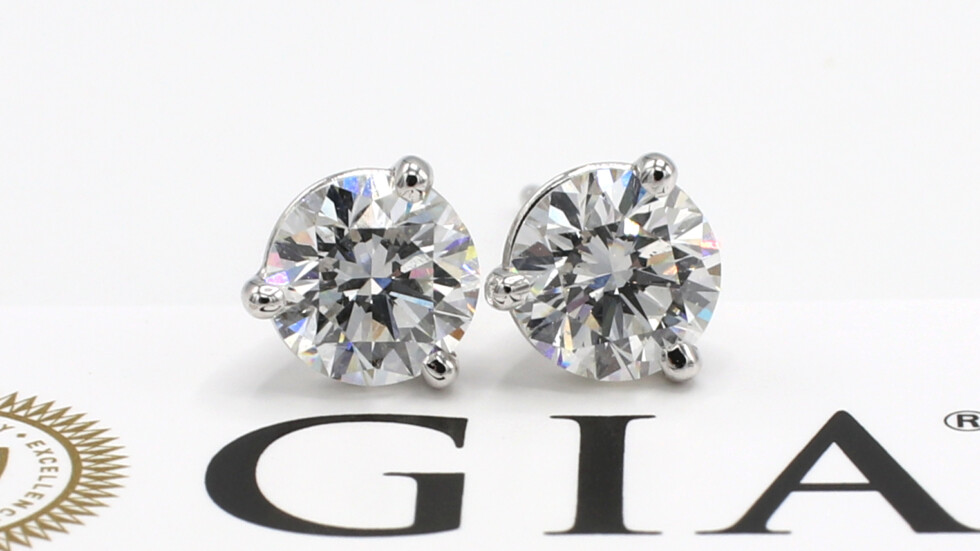
Founded in 1931, GIA certification is often seen as the global gold standard for diamond grading.
GIA actually created the 4Cs system and the D-Z color scale used industry-wide. The GIA diamond grading uses descriptor-based scales:
- Cut: Excellent, Very Good, Good, Fair, Poor
- Color: D (colorless) through Z (light yellow/brown)
- Clarity: FL (Flawless) through I3 (Included)
GIA’s reputation for conservative, consistent grading means a GIA Excellent truly represents exceptional quality. The organization maintains no commercial interests in buying or selling diamonds, ensuring a completely unbiased assessment.
AGS Certification
The American Gem Society certification, established a few years after GIA (1934), offers equal rigor with particular emphasis on cut quality.
AGS diamond certification uses a numerical 0-10 scale, with 0 representing “Ideal” for each characteristic.
While GIA grades a diamond “Excellent” for good proportions, AGS Ideal 0 requires exceptional light return, brightness, and contrast patterns. In the end, both GIA and AGS certifications are worth their investment.
GIA vs AGS Grading Systems Compared
Knowing how each laboratory approaches its specific diamond grading can help you interpret certificates. Both use rigorous scientific methods, but you’ll find that their grading scales and emphasis differ:
| Characteristic | GIA Grading System | AGS Grading System |
| Cut Grade | Excellent, Very Good, Good, Fair, Poor (descriptor scale) | 0-10 numerical scale (0 = Ideal, 10 = Poor) |
| Color Grade | D-Z alphabetical scale (D = colorless, Z = light yellow) | 0.0-10.0 numerical scale (0 = colorless, 10 = light yellow) |
| Clarity Grade | FL, IF, VVS1, VVS2, VS1, VS2, SI1, SI2, I1, I2, I3 (descriptor scale) | 0-10 numerical scale (0 = Flawless, 10 = I3) |
| Cut Analysis | Proportions-based with broad categories | Light performance-based with precise metrics |
| Report Format | Descriptor terms (easier for consumers to understand) | Numerical precision (appeals to technical buyers) |
| Emphasis | Balanced across all 4Cs | Particularly rigorous on cut quality |
| Recognition | Global standard, universally accepted | Highly respected, especially in the US and among experts |
| Round Brilliant Cut | Detailed analysis with proportion diagram | Most comprehensive cut grading available |
| Fancy Shapes | Limited cut grading (symmetry/polish only) | Limited cut grading (symmetry/polish only) |
Is Diamond Certification Worth The Investment?
Absolutely. While certified diamonds may cost 20-25% more than similar uncertified stones, that extra investment represents assurance that you’re receiving accurately graded quality.
An uncertified diamond may seem like a bargain initially, but you face significant risks: no objective quality verification, difficulty obtaining adequate insurance, and an inability to compare accurately with other stones.
But here’s the key – while diamond certification provides key information about a gem, there are some limitations:
- It’s Not a Price Guide: Certificates assess quality but don’t assign value. Market conditions, brand premiums, and retailer margins affect pricing beyond certification.
- It’s Not a Beauty Assessment: A diamond can grade excellently but still lack the visual appeal of a lower-graded stone. Certification documents technical quality; your eyes judge beauty.
- It Doesn’t Represent a Permanent Condition: Diamonds can chip or scratch after certification. The certificate represents the condition at the time of grading, not perpetuity.
Samuelson’s Diamonds – A Commitment to Quality Through Certification
For over 100 years, Samuelson’s Diamonds has prioritized GIA and AGS certification for every significant diamond we sell. Our inventory includes only diamonds certified by these trusted laboratories, ensuring our clients receive accurately graded quality.
When you purchase from Samuelson’s, you receive complete certification documentation, verification of certificate authenticity, and education about your diamond’s specific characteristics. When you sell to Samuelson’s, we evaluate based on current certification or arrange independent certification if needed.
Our appointment-only model allows time to review certificates thoroughly, explaining each specification and what it means for beauty, value, and investment potential.Want to learn more? Have questions about your diamonds or the certification process? Schedule your private consultation with Samuelson’s Diamonds to speak with our experts today!